From Calling to Capacity: Building a Prayer Ministry's Volunteer Infrastructure

Team Growth: from 2 administrators to 8
As the ministry grew, the need for administrators became evident. Each administrator received written roles, detailed responsibilities, and an internal SOP,giving every new team member a clear picture of their part in the ministry's larger purpose.

Five separate prayer request lines became one seamless, reliable process, backed by documented workflows that keep the team informed and engaged. Streamlined notifications reduce the risk of anyone falling through the cracks, letting a small team support real growth with consistency and ease
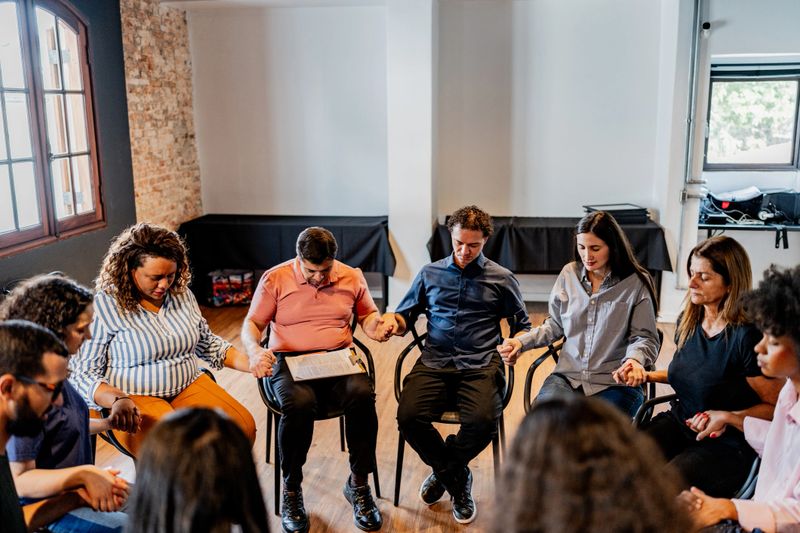
Teams formed around finance, children, women, and community, supported by people who genuinely cared about that specific calling, shifting the entire atmosphere of the prayer community.

By breaking down the wall between the intercessory team and the broader church, quarterly trainings now draw approximately 100 attendees. Training on prayer is now open to every believer, not just the dedicated prayer team.

A prayer manual for the corporate prayer team has now become the standard for all church campuses.
The Situation
A ministry with a prayer community exceeding 100 members engaged Kingdom Governance's president with a strategic mandate to strengthen and expand its prayer department. At the time of engagement, the department had experienced meaningful growth but operated with limited infrastructure, relying on a small administrative team to manage prayer communications and coordinate ministry activities.
As the ministry prepared for a season of expansion, leadership recognized the need to build the department's capacity. The existing structure had supported current demands but lacked the systems, role clarity, and operational processes required to steward future growth.
Kingdom Governance was engaged to assess the department's current state, identify gaps, and design a sustainable operating framework that would increase capacity, strengthen accountability, and position the prayer department for long-term ministry impact.
The Approach
The engagement began by evaluating communication workflows and internal processes. While multiple channels existed for submitting prayer requests, the department lacked a standardized system for intake, communication, tracking, and follow-through. Kingdom Governance redesigned the communication infrastructure by establishing documented procedures, defined workflows, and accountability practices that created greater consistency and visibility.
With the foundational framework in place, the department gained the structure necessary for strategic growth. The team expanded from a two-person operation to an eight-member administrative team, supported by clearly defined roles, documented responsibilities, and standardized procedures. These enhancements strengthened accountability and created a scalable model to support continued growth.

Building Leadership Alignment and Departmental Capacity
Building Leadership Alignment and Departmental Capacity
With the operational foundation in place, Kingdom Governance shifted its advisory focus toward leadership alignment and team development. The newly formed team required more than additional personnel; it required clarity around responsibilities, communication practices, decision-making, and shared ministry objectives.
Kingdom Governance developed a framework to equip team members with the clarity, resources, and structure needed to execute their responsibilities effectively while maintaining consistency across the team.
Through defined processes, documented expectations, and intentional development, the department evolved from a reactive support function into a structured ministry operation with greater alignment and collaboration.
The result was a scalable model that strengthened accountability and positioned the prayer department to sustain continued growth and ministry impact.

From a Department Resource to an Organizational Standard
As the ministry’s vision continued to expand, Kingdom Governance developed a comprehensive prayer strategy designed to align intercession with organizational priorities. Originally created as a resource for the dedicated intercessory team, the prayer manual translated leadership vision into a structured, Scripture-based framework that provided strategic direction, defined prayer assignments, and supported spiritual development.
During the review process, leadership recognized the broader organizational value of the resource and expanded its application beyond the intercessory team. The manual evolved from a departmental tool into a ministry-wide framework, creating shared language, greater alignment, and a unified approach to prayer across the congregation.
As adoption increased, leadership identified an opportunity to scale the framework across multiple campuses. The recommendation was approved, transforming the prayer manual into an organization-wide resource designed to align teams around a common vision, shared priorities, and unified mission.
What began as a tool to strengthen one department became a scalable framework that supported the development of a consistent prayer culture throughout the organization.
Placing People According to Their Calling
Beyond administrative structure, Kingdom Governance recognized that sustainable growth required more than defined roles. It required people serving in the areas they were genuinely called to.
Kingdom Governance worked with leadership to form dedicated prayer teams around finance, children, women, and community, each led and supported by individuals with a real, personal investment in that specific calling. Rather than assigning volunteers based on availability alone, the placement process considered what each person cared about most deeply and where their gifts were naturally drawn.
The shift was immediate and visible. As people served in alignment with their calling rather than simply filling a role, the atmosphere of the prayer community changed. Engagement deepened, ownership increased, and the department moved from a group of individuals completing tasks to a community of intercessors serving with purpose.
This approach reflected a core conviction behind Kingdom Governance's methodology: sustainable ministry infrastructure is not only about systems and processes. It is about stewarding people well, so that structure supports calling rather than working against it.

Where Things Stand
Today, the prayer department operates through a scalable structure that supports multiple levels of engagement. It provides pathways for individuals seeking deeper involvement through defined assignments and intentional development, alongside accessible ways to participate through training, initiatives, and organization-wide prayer opportunities.
The transformation established a sustainable ministry model that honors both commitment and accessibility, while providing the infrastructure required for continued growth. What began as a department dependent on limited resources became a fully developed ministry function, supported by defined processes, trained team members, and the capacity to grow alongside the organization.
For ministries and organizations with departments driven by passion and vision but lacking the infrastructure to scale, Kingdom Governance provides strategic advisory focused on building the systems, people, and leadership structures needed to carry vision into sustainable practice.
This work begins by strengthening foundational infrastructure and developing people and process, then identifying where effective practices can extend further. The result is not simply a stronger department. It is a capability built to carry future growth.